Coinomi is not a conventional crypto exchange, and judging it as one creates the wrong expectations from the start. It is a noncustodial mobile and desktop wallet that lets users hold a broad range of coins and interact with third party exchange partners from inside the app. That distinction is fundamental. Coinomi does not normally hold your wallet keys or operate a typical customer balance system. You control the recovery phrase, which gives you freedom but also assigns you the responsibility that an exchange would otherwise carry.
The wallet has been around since 2014 and became popular by supporting a remarkably broad list of networks long before multichain wallets were common. It supports Bitcoin, Ethereum, many altcoins, tokens, and multiple blockchain standards. For someone with a mixed collection of older assets, Coinomi can be more practical than a Bitcoin only wallet or a browser extension built around Ethereum. Its appeal is breadth and portability, not institutional grade trading infrastructure.
That breadth has a downside. A wallet that supports many chains can feel busy, particularly to a newcomer who does not understand the difference between a native coin, a token, and a network fee. Coinomi will let a user manage a lot of assets, but it cannot protect them from sending a token on the wrong network or choosing an unsuitable fee. The app makes crypto access easier, not foolproof. Anyone holding a meaningful amount should practice restoring a wallet from a backup before trusting it with real funds.
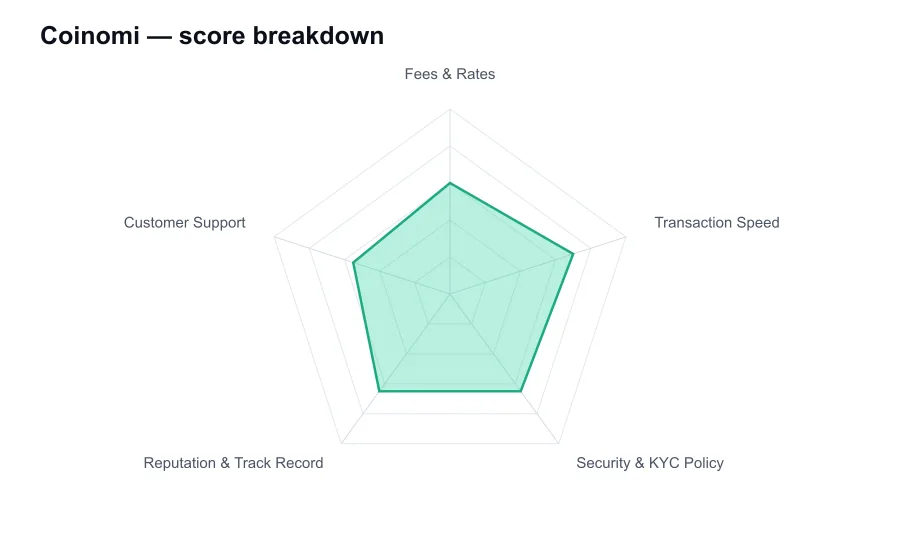
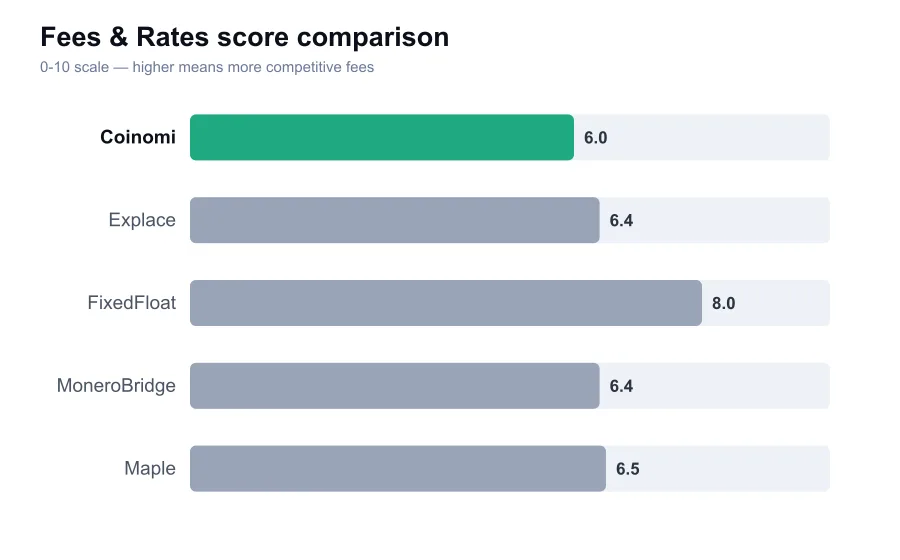
Coinomi itself is free to download and there is no standard custody fee because it does not custody your coins in the usual sense. Blockchain transaction fees still apply, and these fees go to the network, not simply to Coinomi. Bitcoin fees rise during congestion, Ethereum gas can be painful, and token transfers may require the network's native asset. This is one area where users often blame the wallet for costs created by the chain they chose.
The in app exchange function is more complicated. Coinomi connects users to third party swap or exchange providers, and the price presented includes the provider's rate, liquidity conditions, and often a spread that is less competitive than trading on a liquid central exchange. It is convenient for converting one asset to another without moving coins through several services. Convenience is not cheap. Compare the final amount with a quote from Kraken, Coinbase Advanced, or a dedicated swap provider before making a sizeable conversion.
I would not use Coinomi's in wallet swapping for frequent trades or large orders. There is limited benefit in paying a convenience premium merely to avoid a deposit and withdrawal cycle if you are moving thousands of dollars. It can be sensible for a small conversion, such as exchanging leftover assets to consolidate a portfolio, but the user needs to understand that Coinomi is not setting an exchange order book. The counterparty, rate, KYC rules, and payout timing may belong to the partner.
Speed is usually good for the wallet functions Coinomi actually controls. Creating an address, viewing a balance, and signing a properly funded transaction happen quickly. Settlement then depends on the blockchain. Bitcoin needs confirmations, Ethereum is subject to gas conditions, and smaller networks may have their own reliability issues. Coinomi cannot make a congested chain fast, but it should make fee choice and transaction status understandable enough that users know what they are waiting for.
Third party exchanges inside the wallet are slower and less predictable because there are more moving parts. A swap provider may need a deposit confirmation before it sends the output. It may pause a transaction for risk screening, ask for KYC, or experience liquidity issues. This is one reason I prefer sending a small test amount before using an unfamiliar integrated provider. A wallet interface can make a third party service look native even when Coinomi is not the party responsible for execution.
The strongest security fact about Coinomi is its noncustodial model. The recovery phrase and private keys are generated and controlled by the user, so Coinomi cannot simply freeze a normal on chain balance as an exchange can. That is a real advantage after years of centralized platform failures. It also creates a hard truth: lose the recovery phrase, disclose it to a scammer, or install malware on your phone, and there may be no support team capable of restoring the funds.
Coinomi has had a notable security episode in its history. In 2019, researchers publicly reported a vulnerability involving the wallet's spell check behavior that could potentially expose a recovery phrase under particular circumstances. Coinomi disputed parts of the characterization and issued a fix. The episode does not make the wallet unusable today, but it is a reminder that wallet security is not a marketing slogan. Keep the app updated, disable risky keyboard or cloud backup behavior, and treat the seed phrase as more sensitive than a bank password.
The wallet does not generally require KYC simply to create and use a self custody wallet. That is one of its attractive features. However, users must separate Coinomi from the third party services offered inside it. A fiat purchase partner or instant swap provider may require identity verification based on jurisdiction, amount, or compliance screening. Do not assume that an app marketed as private can guarantee anonymous exchange services. The partner's policy controls the transaction.
Coinomi's reputation is mixed but established. It has survived for years, supports a large community of multichain users, and remains better known than many disposable wallet brands. At the same time, it does not have the pristine security reputation of a dedicated hardware wallet ecosystem, and its exchange integrations add counterparty complexity. The core wallet is more credible than an unknown browser wallet, but I would not let its long age turn into complacency.
Support is available through Coinomi's help resources and ticket channels, but wallet support always has limits. No legitimate agent should ask for a recovery phrase, private key, or remote access to your device. That simple rule eliminates a large number of impersonation scams. Users also need to recognize the difference between a Coinomi wallet problem and an issue with an external swap partner. Support can help identify the route, but it cannot reverse an on chain transaction or force a third party provider to waive its procedures.
My preferred use for Coinomi is as a secondary multichain software wallet for modest working balances, especially where wide asset coverage matters. It is not my first pick for storing a life changing amount, and it is not a cost efficient exchange substitute. Pair it with a hardware wallet for serious long term holdings and use a major exchange for price sensitive trading. Coinomi is useful because it gives the user control. That control is exactly why it demands more care than an ordinary account app.