Maple is not a conventional crypto exchange, and judging it as though it were one produces the wrong answer. It is a decentralized credit-market protocol built around onchain lending, institutional-style credit pools, and, more recently, yield products connected to its Syrup brand. Its place in the market is closer to private credit and DeFi lending than to spot trading on Coinbase or Kraken. You come to Maple to lend capital or access credit structures, not to day trade bitcoin.
That distinction matters because the service asks users to understand risks that an exchange customer can often ignore. A Maple depositor is not simply leaving cash in a trading account. Depending on the pool and product, they may be exposed to borrower credit risk, smart-contract risk, liquidity conditions, collateral arrangements, and the conduct of pool delegates. The protocol can be sophisticated and still be unsuitable for somebody who just wants a simple crypto savings product.
Maple's early reputation was shaped by its focus on undercollateralized or uncollateralized institutional lending. That model stood apart from overcollateralized DeFi protocols such as Aave and Compound, but it also created a clear weakness during the 2022 credit crisis. Defaults involving borrowers including Orthogonal Trading and related fallout showed that due diligence and legal enforcement matter just as much as elegant onchain plumbing. The episode remains essential context, not ancient history to be waved away.
The team responded by moving toward more secured lending and restructuring how risk is presented and managed. That was a rational change. A credit protocol that learns from losses is preferable to one that pretends defaults cannot happen. Still, users should not read later product design as a guarantee that credit losses have become impossible. Lending yield is payment for risk, and double-digit headline yields deserve especially close scrutiny.
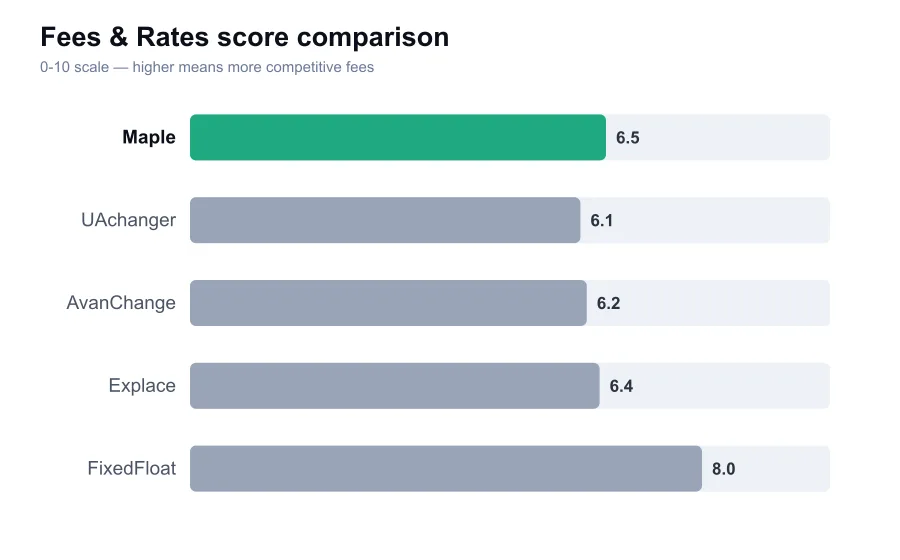
Fees are not as simple as a maker and taker table. Maple borrowers can face interest, origination costs, and pool-specific terms. Lenders may be affected by management or performance fees, protocol fees, and the gap between gross borrower interest and the yield that actually reaches depositors. Some products package the experience more cleanly than early DeFi lending pools did, but the correct figure is net yield after all applicable charges and before any potential loss.
This is an area where Maple can be more attractive than opaque centralized yield schemes. Pool documentation and onchain activity allow an engaged user to inspect much of the structure. Yet transparent mechanics do not automatically mean cheap access. Ethereum transaction fees, stablecoin conversion spreads, and the cost of entering or exiting a position can make a small deposit inefficient. The product is better suited to users who can evaluate net returns than to someone chasing an advertised APY.
Speed depends on what the user means by speed. Depositing into an onchain product can settle as soon as the transaction confirms, often within minutes on Ethereum when the network is functioning normally. That is faster than waiting days for a bank wire or an old-style private credit fund subscription. It does not mean liquidity is always immediate. Withdrawal timing can be governed by pool liquidity, redemption rules, and market demand for available loan positions.
That difference is crucial during stress. DeFi users are accustomed to swapping tokens instantly through an automated market maker, but a credit position cannot always be liquidated on command without someone else providing capital. Maple is better thought of as a lending allocation with variable accessibility, not a checking account. Anyone who might need their stablecoins for trading, payroll, or an emergency should keep a separate liquid reserve.
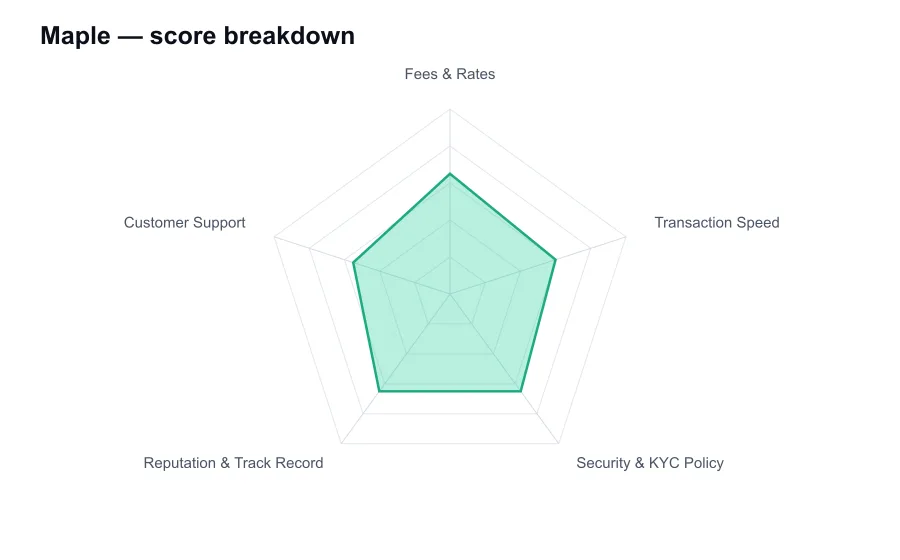
Maple's security case is stronger than that of an anonymous new protocol because it has operated publicly through multiple market cycles, has identifiable development history, and uses onchain contracts that can be inspected. But the protocol is not free of meaningful risk. Smart contracts can fail, oracles and integrations can break, governance can make poor decisions, and borrower underwriting can be wrong. A code audit helps, but it does not insure a lender against credit failure.
KYC is product and jurisdiction dependent rather than universally absent or universally required. Historical institutional lending arrangements involved whitelisting and compliance checks, while newer permissionless offerings aim for broader DeFi access subject to legal restrictions. Users should not assume that connecting a wallet makes every Maple product available. Geo-blocking, sanctions screening, frontend restrictions, and pool-specific eligibility can all matter, particularly for US persons and institutional participants.
The protocol's reputation is mixed in a useful, honest way. It has credibility, recognizable founders, meaningful DeFi history, and a product thesis that is more substantial than another token-incentivized lending clone. It also has a very public reminder that credit losses can occur. I rate that more highly than a platform with no record at all, but far below the reputation of a conservatively managed bank or a fully collateralized short-term Treasury fund.
Support is reasonable for a DeFi protocol, but that phrase needs perspective. Documentation, community channels, dashboards, and public announcements can help a technically comfortable user. They are not the same as a broker's phone line with authority to reverse an error. A mistaken transaction, compromised wallet, or interaction with the wrong contract is usually final. Users need to verify URLs and contract addresses themselves, every time.
Maple makes the most sense for experienced stablecoin holders who want credit-market exposure and who can read pool terms without treating yield as a promise. It can also interest treasury managers willing to perform their own counterparty and liquidity work. It is a poor fit for beginners, for people who confuse lending with insured cash, and for traders who need immediate access to capital.
My take is that Maple is one of the more serious attempts to build onchain credit, but seriousness should not be confused with safety. The protocol has evolved after real pain, which gives it more credibility than many DeFi projects that have never been tested. The remaining risks are still substantial and cannot be diversified away by a slick interface. Use it as a measured allocation, if at all, and never as the place for funds you cannot afford to lock up or lose.