Liquity is not an instant exchange in the Kingex or LetsExchange sense, and judging it by that standard would miss the point. It is a decentralized Ethereum borrowing protocol. Users lock ETH as collateral and borrow a dollar oriented stable asset, historically LUSD and, through the newer protocol design, BOLD. It belongs in the DeFi money market world alongside Maker and Aave, but its mechanics and risk profile are distinct. You are not swapping coins with a company. You are interacting with smart contracts.
The core attraction is simple and still powerful. A holder who does not want to sell ETH can deposit collateral and borrow stablecoins against it without conventional account creation or a credit check. The protocol is designed to be immutable and governance minimized rather than run through an administrator deciding who qualifies. That is a major philosophical difference from centralized lending. It also means there is no customer service agent who can reverse a bad transaction or rescue reckless collateral management.
Liquity's original system used LUSD, an ETH backed stablecoin, and Troves, the positions where collateral and debt are managed. The minimum collateral ratio is 110 percent. Fall below that threshold and a Trove can be liquidated. That is much lower than the safety margin I would personally use. ETH is volatile. Borrowing near the minimum may look capital efficient on a calm day, then become an expensive lesson after a sharp price move.
The newer Liquity design introduced BOLD, a collateralized stablecoin architecture with user selected interest rates and support for different ETH liquid staking collateral branches. The important point for prospective users is that Liquity has evolved. Do not rely on an old guide describing only LUSD and a one time borrowing fee. Read the specific front end and protocol documentation for the version you intend to use. DeFi interfaces can change while old articles remain highly visible in search results.
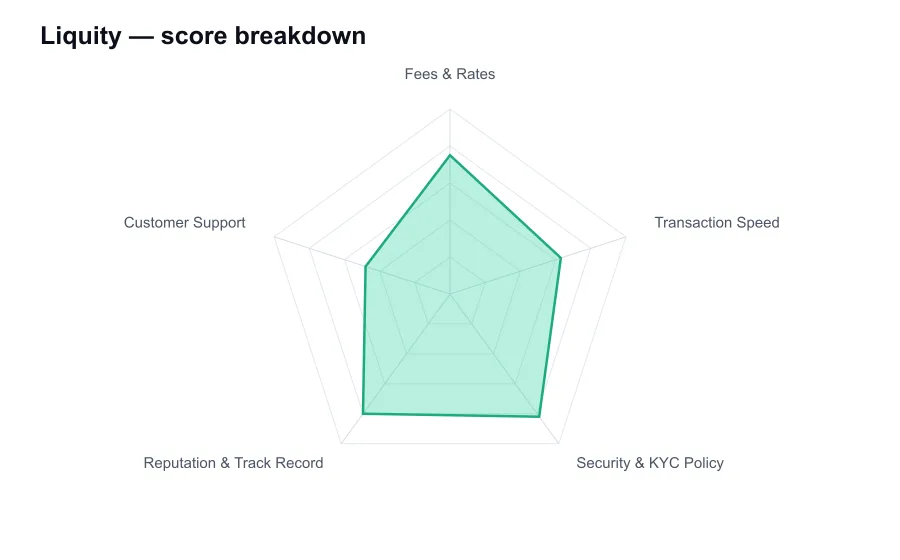
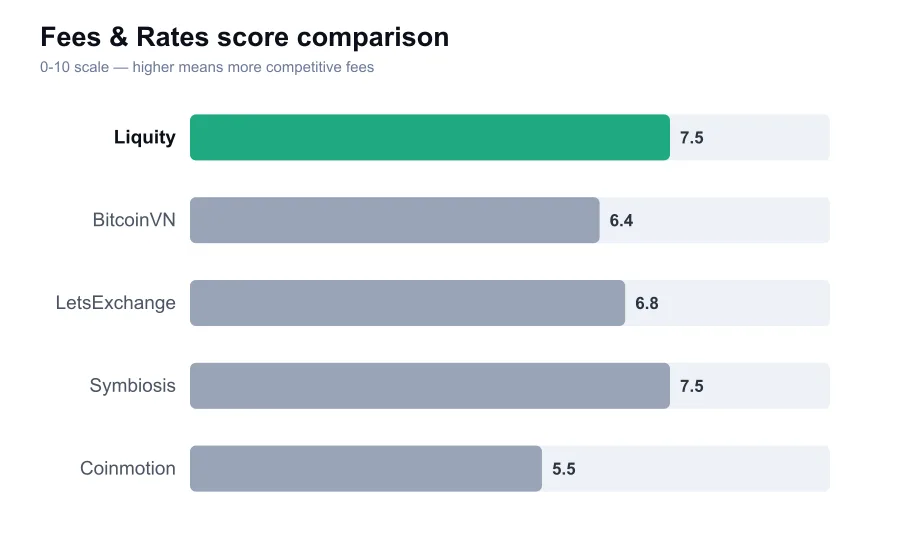
Fees are unusually nuanced here. In the original Liquity system, borrowing involved a one off fee governed by a base rate, with a stated minimum of 0.5 percent, and redemptions could affect that rate. There was no recurring interest rate in the conventional sense. That made Liquity compelling for some long lived loans, provided the borrower understood liquidation risk. It was not free money. There were gas costs, borrowing fees, and the economic cost of maintaining a conservative collateral buffer.
In the current direction of the protocol, user chosen interest rates and redemption related incentives mean prospective BOLD users should look at the live interface, not a historical headline. The annual rate can be more important than an upfront fee for anyone holding debt for months. Borrowers seeking the lowest rate can expose themselves to redemption risk under the system's mechanics. That is sophisticated DeFi, not a savings account. The cheap looking number is not automatically the best choice.
There are also liquidation and redemption mechanics that deserve plain language. If an ETH backed position becomes undercollateralized, the protocol can close it and use the Stability Pool mechanism to absorb debt against collateral. Stability Pool depositors can earn rewards and receive ETH from liquidations, but they bear exposure to liquidation events and changing pool composition. This is a deliberate risk market. Calling the deposit side passive income without explaining that risk is irresponsible.
Transaction speed is determined mainly by Ethereum. Opening or adjusting a position can be confirmed in a few minutes under normal conditions, but busy blocks and high gas prices can make emergency collateral management stressful. During a violent ETH selloff, many people may be trying to add collateral at once. The protocol itself does not promise a help desk fast lane. A borrower needs enough buffer that they are not relying on a last minute transaction being mined.
Security is Liquity's strongest argument and its sharpest caveat. The protocol's lack of a conventional custodian reduces familiar exchange risks such as an operator freezing ordinary withdrawals or misusing pooled customer balances. Smart contracts, however, create a different class of risk. A contract flaw, oracle failure, front end compromise, wallet approval mistake, or economic attack cannot be dismissed because the design is decentralized. Audits and battle testing improve confidence. They do not create a guarantee.
The official protocol does not require KYC. A compatible Ethereum wallet is enough to interact with the contracts. That privacy and permissionless access are real strengths for users who can manage their own keys. They are not a shield from law, tax obligations, or sanctions rules. More practically, they offer no protection against self inflicted loss. Send assets to the wrong address or sign a malicious approval, and there is no account recovery department to call.
Liquity has a meaningful reputation in DeFi because its original deployment endured multiple market cycles and developed a recognizable design around ETH collateral, liquidation efficiency, and governance minimization. Its LQTY token and Stability Pool model attracted serious DeFi users rather than just short term yield chasers. Still, it is much smaller and more specialized than Ethereum's biggest lending protocols. Liquidity, stablecoin adoption, and the behavior of integrations are all factors a borrower should monitor rather than assume away.
The front end experience is better than early DeFi applications, but it still asks users to understand concepts that centralized lenders hide. You need to know collateral ratio, liquidation price, debt amount, gas, wallet permissions, and the difference between a protocol and a website serving as its interface. That learning curve is not cosmetic. It is the dividing line between using Liquity responsibly and taking leverage you do not fully understand.
Support is mostly documentation, community channels, interface guidance, and the wider developer ecosystem. For technical questions, that can be enough. For a panicked user watching collateral approach liquidation, it will feel impersonal because it is impersonal by design. No support agent can alter immutable protocol rules for you. I count that as an honest tradeoff, not a defect, but it lowers Liquity's suitability for newcomers who expect a human backstop.
Liquity is excellent for a particular kind of user, a technically capable ETH holder who wants permissionless stablecoin liquidity and is willing to actively manage risk. It is not a casual exchange, not a savings product, and not a sensible first encounter with DeFi leverage. Keep collateral far above the liquidation threshold, understand the current version's interest model, and use a trusted front end. My opinion is favorable on the protocol design, but I would rather see a user borrow less than they can than discover how liquidation works in real time.