Ripio is one of Latin America's longstanding crypto platforms, and that regional focus is its defining advantage. It began in Argentina and expanded across parts of the region with an approach that combines a consumer-friendly app, local payment methods and access to crypto for people who may not have easy access to international brokerages. In markets shaped by currency controls, inflation and inconsistent banking infrastructure, that local knowledge is more valuable than a generic global exchange interface.
The platform has evolved through several identities, including the Ripio Wallet brand, but its core purpose remains familiar: buy, sell, hold and transfer cryptocurrencies through an app designed for local users. Ripio is not trying to beat Binance on liquidity or Kraken on professional market structure. It is trying to make crypto usable with regional currencies and payment rails. For an Argentine, Brazilian, Colombian or Mexican user, that can be the practical difference between a workable service and a theoretical one.
Its asset list includes major cryptocurrencies such as Bitcoin and Ether, alongside stablecoins and selected additional assets, though availability can vary by country. That limitation is sensible. A curated lineup is safer operationally than listing every fashionable token, but it does mean crypto-native users may find the selection conservative. If your strategy depends on obscure DeFi assets, perpetual futures or sophisticated order types, Ripio is not built for you. It is an access platform first.
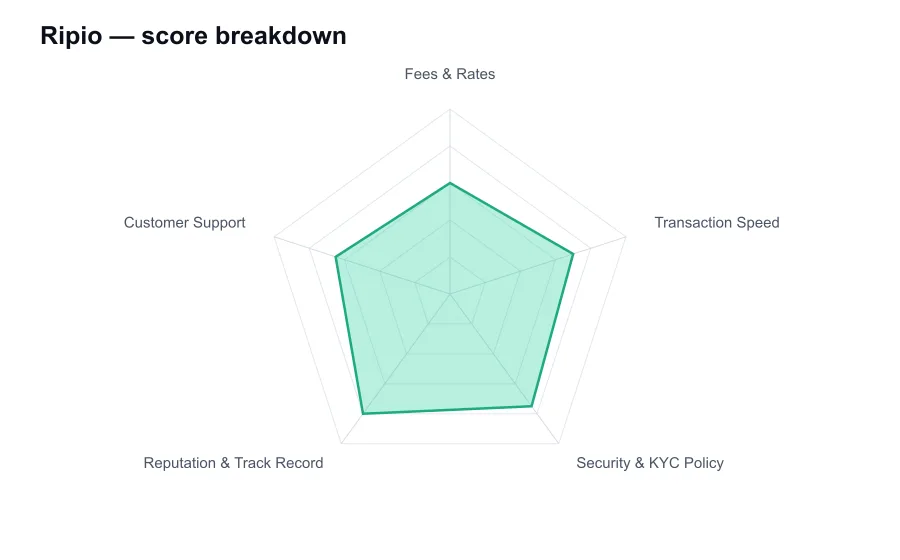
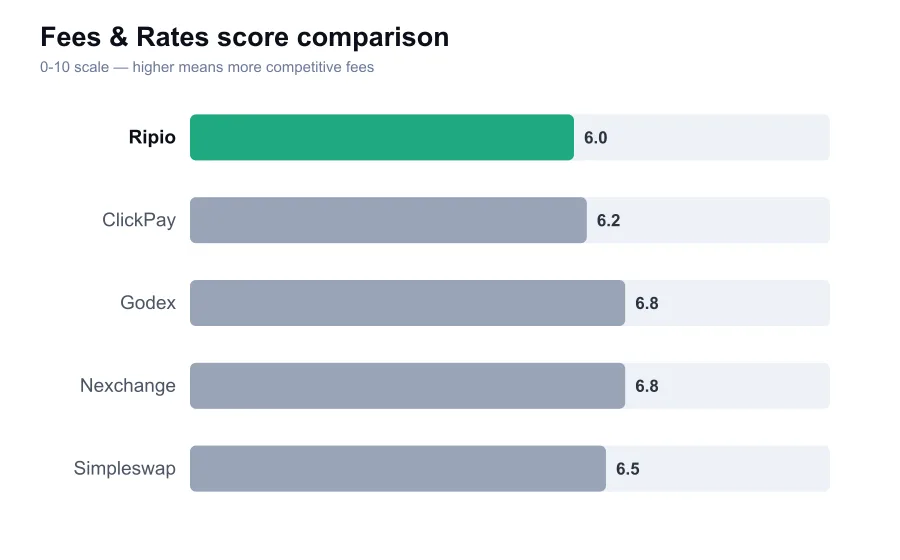
Fees require careful reading because Ripio's costs can differ by market, payment method and transaction type. The platform has historically charged trading commissions that can be around the low single digits, with published schedules and promotional conditions varying by jurisdiction. That is not especially cheap beside global exchange spot fees, which are often below 0.5 percent for ordinary users. The comparison is incomplete, though, because Ripio's local bank and payment integration can solve a problem a cheaper international venue does not solve.
The key cost is often the full buy or sell price, including spread, rather than a single headline commission. Local currency liquidity can be thinner than dollar-denominated global markets, and conversion between a local currency, a stablecoin and a crypto asset can add layers of cost. Before buying, inspect the amount of crypto you will actually receive. Before selling, inspect the local-currency amount that will land in your account. This is especially important in fast-moving Argentine peso markets where timing itself has value.
Ripio's speeds are good for the things it controls. Transfers between internal users and app balance updates are normally prompt, while local deposit and withdrawal times depend on the banking rail selected in each country. Crypto withdrawals also depend on the underlying blockchain and any internal security review. It is not a high-frequency trading venue, and it should not be judged as one. For a consumer moving money from a local bank account into BTC or USDC, the process is generally much more approachable than wiring funds abroad.
The mobile experience is a genuine strength. Ripio has spent years serving users who may be making their first crypto purchase, and the app tends to explain the immediate task without burying people under professional-grade data. That is not the same as saying every product is simple. Stablecoins, blockchain withdrawals and recovery phrases still demand care. But Ripio's design is more likely to get a beginner through a basic purchase successfully than an exchange interface packed with derivatives tabs and unfamiliar order settings.
Security is built around a conventional centralized platform model. Users should expect identity verification, account security measures and transaction monitoring, especially where local financial rules require it. Ripio's use of KYC is not a flaw in this context. It is part of operating through regulated local payment channels and serving a broad consumer base. Users looking for anonymous crypto access will be disappointed, but users who want to move funds between a recognized local bank account and a crypto platform may see this as reassuring.
No centralized custodian removes the need for personal security habits. Use a unique password, enable two-factor authentication where available, protect the email account tied to Ripio and confirm withdrawal addresses carefully. For a modest trading balance or money intended for near-term use, custodial access is convenient. For long-term holdings that would be painful to lose, I still prefer self-custody after purchase. That advice applies to Ripio, Mercado Bitcoin, Bitso and every other retail crypto platform in the region.
Ripio has one thing many smaller Latin American exchanges cannot manufacture quickly: history. The company was founded in 2013 and has operated through multiple crypto booms, severe bear markets and regional currency crises. Longevity is not a guarantee of future performance, but it is meaningful evidence that the business understands its market. It has also attracted institutional backing over the years and maintained a recognizable regional brand, which puts it well ahead of opportunistic apps that appear whenever crypto prices rise.
That reputation should be viewed in regional context, not exaggerated into a global seal of excellence. Ripio does not have the worldwide regulatory depth, public financial disclosure or institutional infrastructure associated with the largest international firms. Country availability, features and support quality can vary. A customer in Argentina may have a different experience from one in Brazil or Colombia. Check local terms, supported rails and withdrawal rules rather than assuming a feature mentioned in a regional campaign applies everywhere.
Support has historically been a mixed but workable part of the Ripio experience. The help center covers routine onboarding and transaction questions, while tickets and in-app channels handle account-specific issues. Users with straightforward questions often have a reasonable path to an answer. The harder cases are predictable: document verification, bank transfer reconciliation and crypto withdrawals sent with incorrect details. These are areas where regional payment complexity can make resolution feel slow, even if the platform is acting cautiously.
One point in Ripio's favor is that it understands local customer problems. A global exchange may offer a lower trading fee but leave users stranded when a local transfer fails, a tax record is needed in Spanish or a regional payment method is unavailable. Ripio is not always the cheapest option, yet it often offers the more practical route from local money into crypto. That is a real service advantage, especially for first-time buyers who need a recognizable domestic support path.
Ripio is a sensible choice for Latin American retail users who prioritize local currency access, a familiar app and a provider with a long regional history. It is less compelling for advanced traders, global nomads and fee-sensitive investors who can already access deep international order books. I would use it as a reliable local gateway, then consider moving long-term holdings to self-custody. Its value is convenience and regional relevance, not rock-bottom fees or cutting-edge trading tools.